Building a Demand Engine From Zero
Five new verticals. No existing campaigns. No pages. No data.
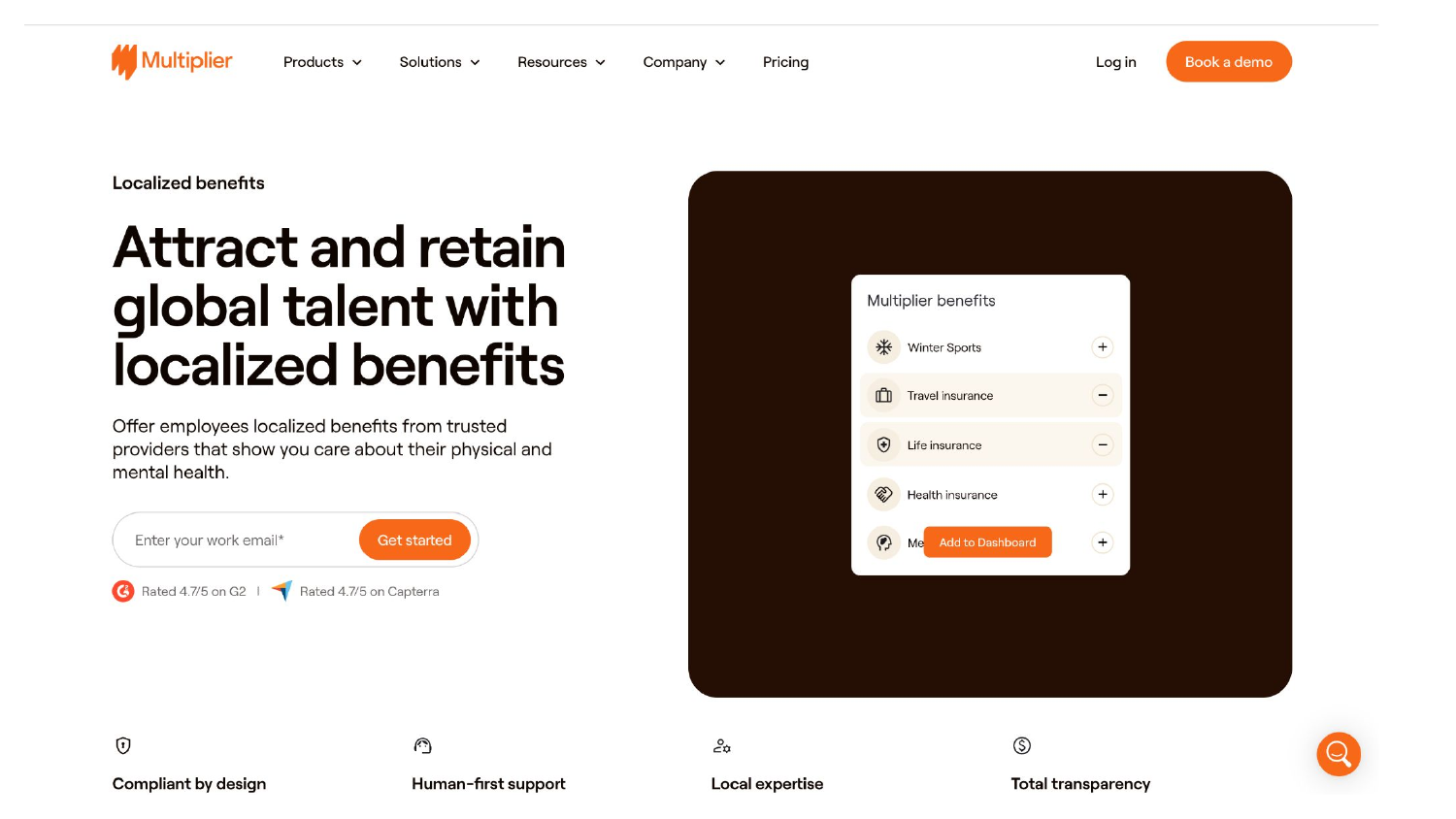
When Multiplier decided to expand into adjacent demand territories, localised benefits, compliance, IT assets, Web3, and visa management, there was genuinely nothing to build on. No keyword foundation, no landing pages, no historical performance data. The brief was to create functioning demand engines for all five from scratch.
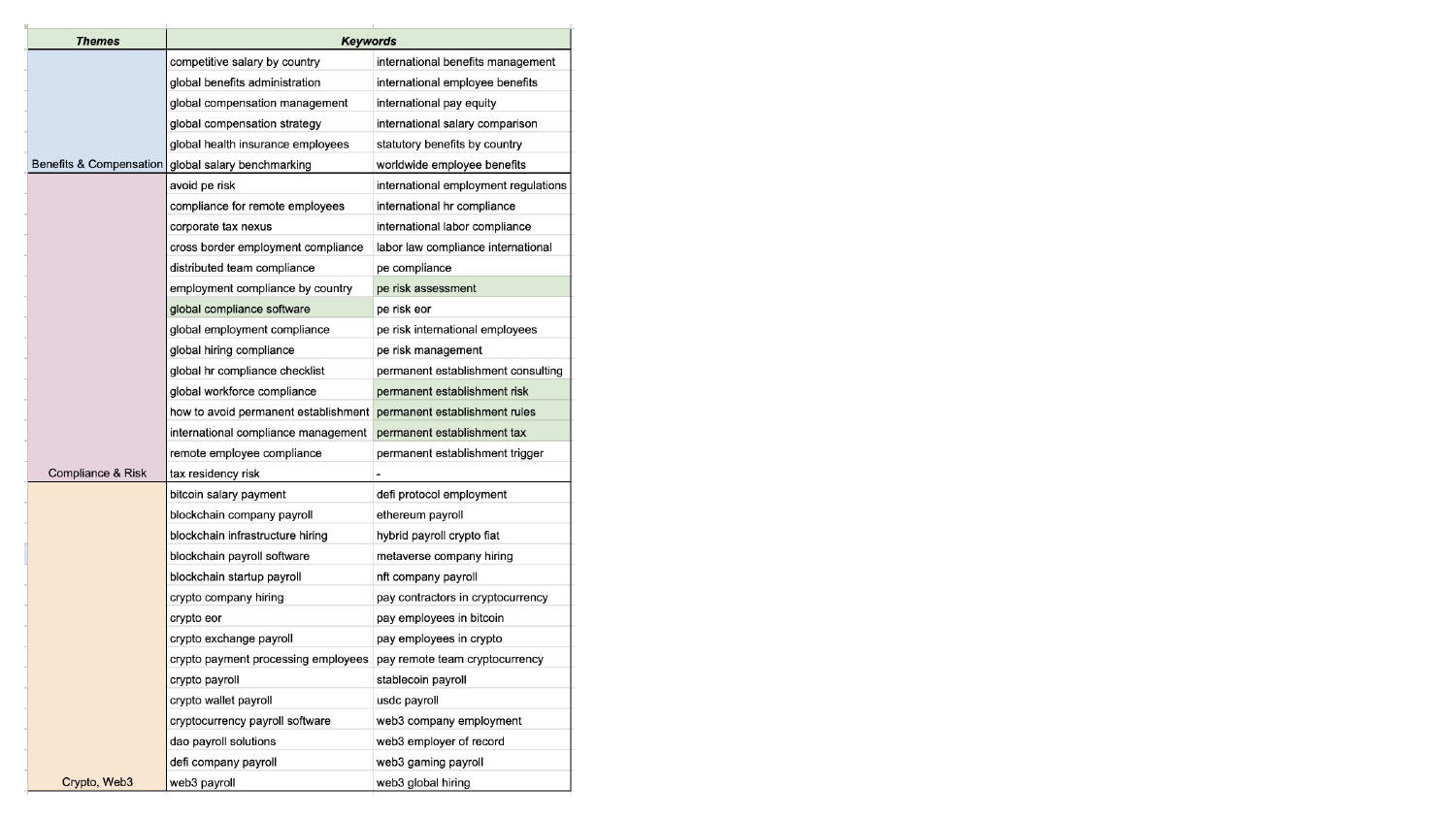
We started with keyword research across each vertical, then grouped keywords into themes rather than running everything as one undifferentiated cluster. Once themes were clean, we layered in country-level click data from Google Ads to understand where demand was already concentrating, which let us prioritise markets and put more optimised spend where the intent signals were strongest, instead of spreading budgets thin across geographies.
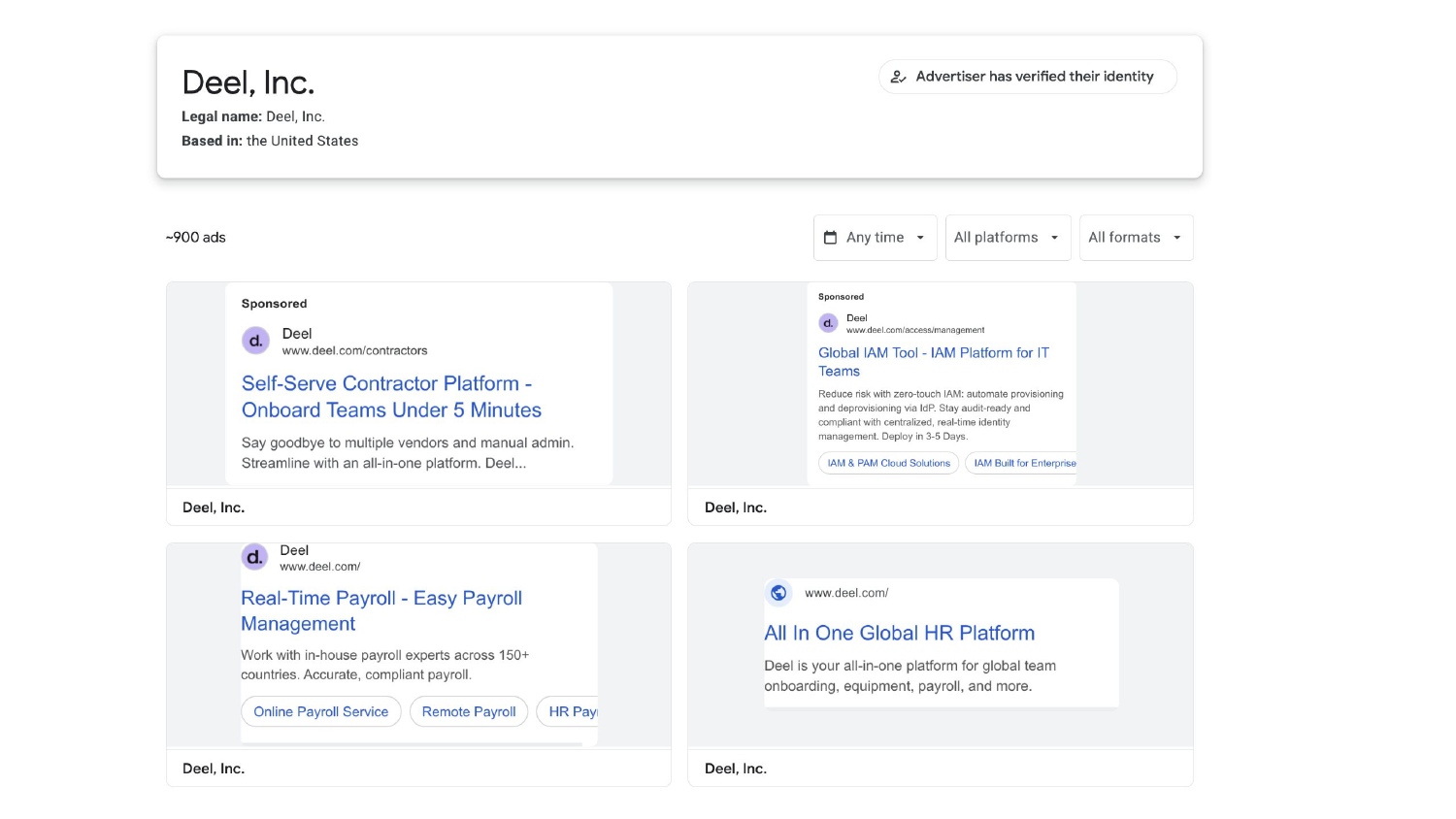
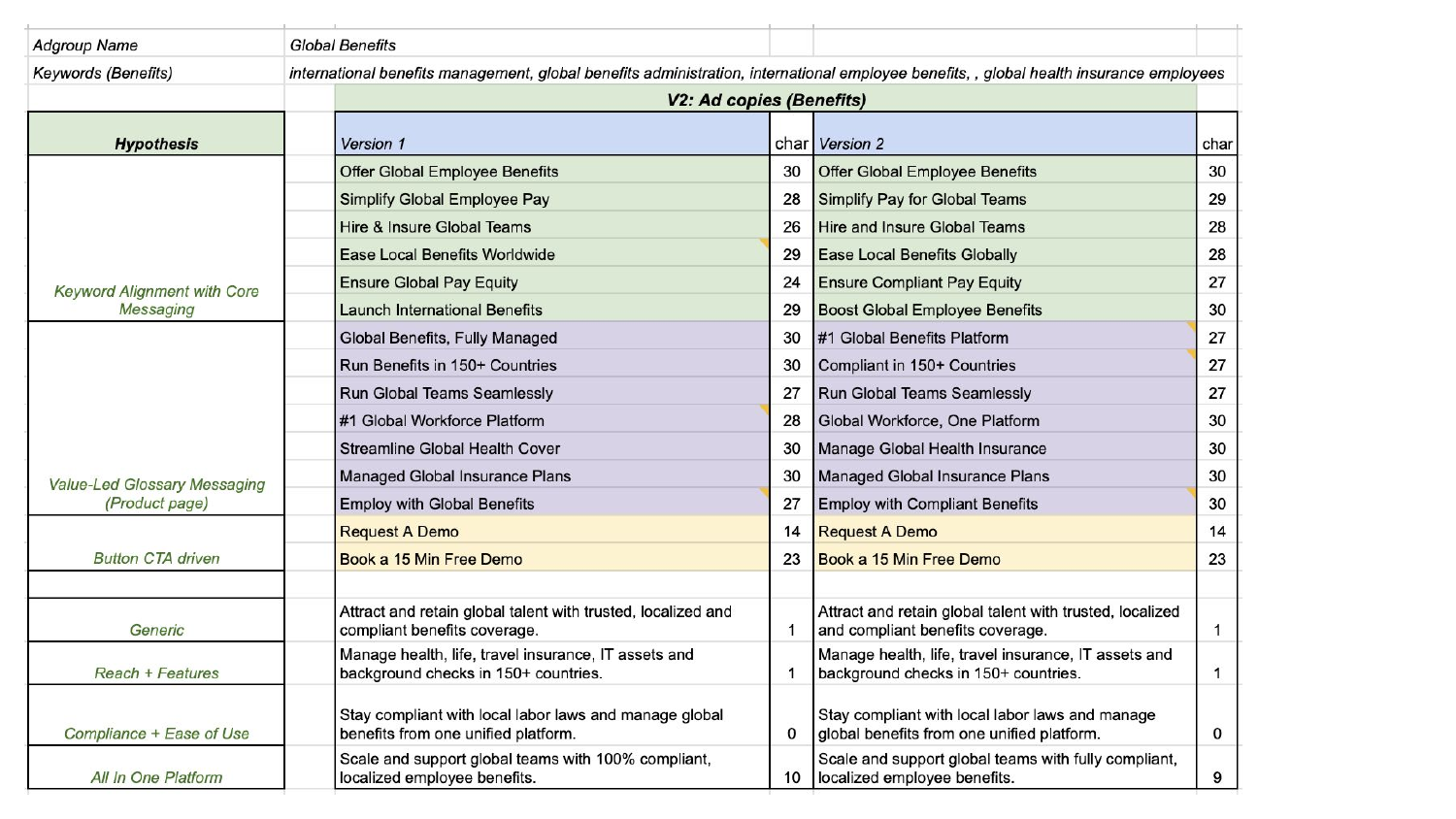
For the ad copies, we used Dynamic Keyword Insertion to embed high-intent search terms directly into headlines. But beyond keyword mechanics, every headline and description had to be aligned with Multiplier's brand voice and visual identity, brand consistency across all marketing touchpoints isn't a nice-to-have, it's the foundation of how trust gets built at scale. We cross-referenced competitor ads using Google Ads Transparency Center, which is genuinely underrated as a research tool: competitors have already spent months optimising their copies, their active ads are fully public, and reading patterns across the top players tells you a lot about what the market responds to, what headline structures work, what CTAs are common, what value propositions are leading. It saved significant time we'd have otherwise spent on hit-and-trial optimisation.
Once copies were ready, we built the landing pages. The source material was existing glossary-style content from Multiplier's non-paid pages on these themes, detailed, thorough, but not built for conversion. We compressed roughly four folds of content into one tight LP, because an LP's job is not to inform exhaustively, it's to convert. Every fold had a "Book a Demo" CTA. Every lead capture form had reduced mandatory fields, pop-up formatting where possible, and as little friction between intent and submission as we could engineer.
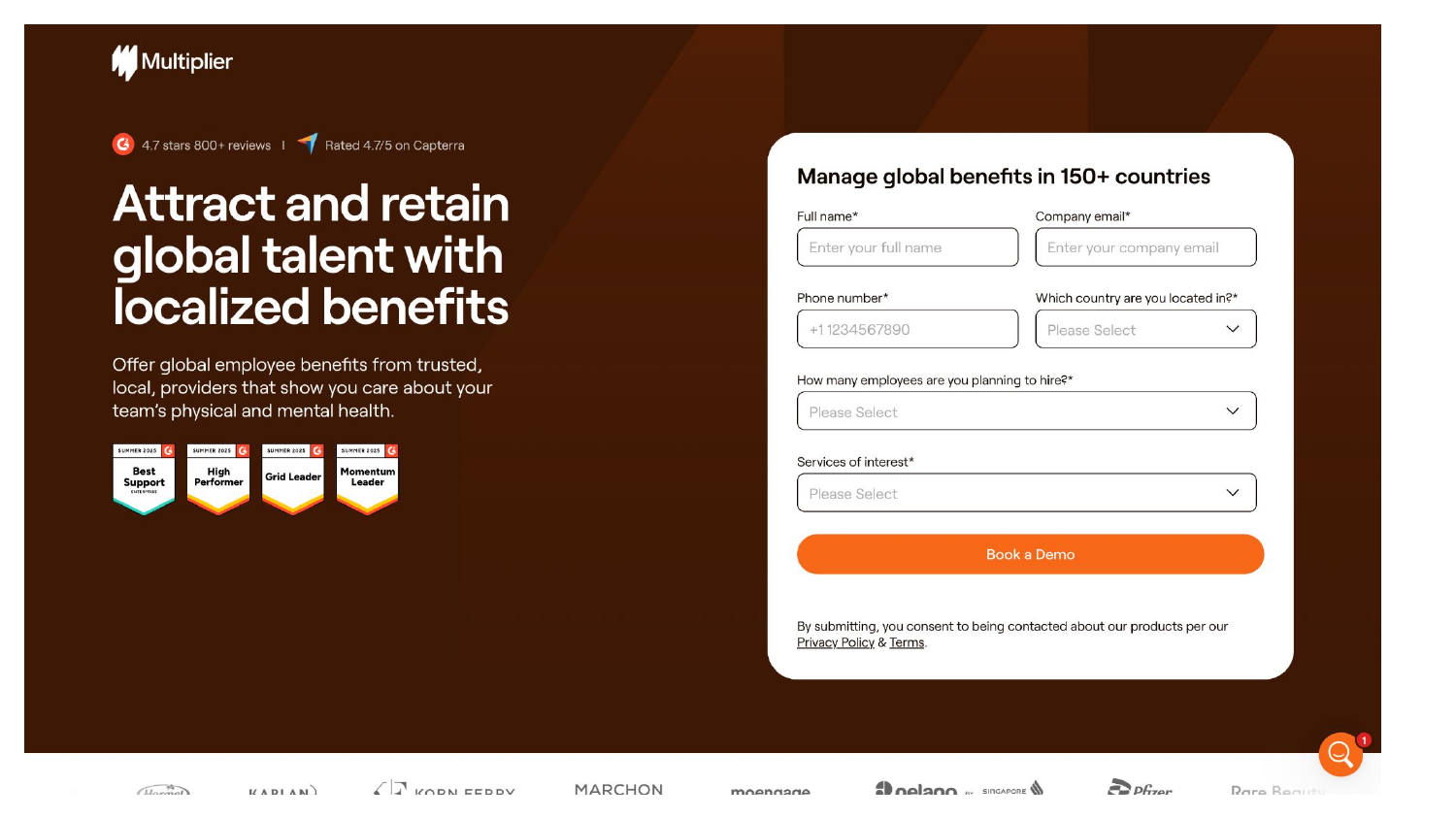
The end result was five live demand engines, each with its own keyword cluster, themed ad copies, and dedicated LPs, with design, brand, paid media, and UX all aligned across a single execution framework rather than handed off in disconnected pieces.